Showing posts with label J. Covington Antiques. Show all posts

Monday, November 2, 2009

The Hartford, CT Autumn Antique Show

I came got back from exhibiting at the Hartford, CT autumn antique show. There were some amazing antiques there... just amazing. I took a small booth but filled it quite well. The framed Bee folio pages Napoleon's Egypt campaign were a smash hit as were the French ceramic wine barrel numbers.


This display was not part of the show .... I made it as I was unpacking from the show.


If you like any of the pieces from the JCovington antique roadshow .... feel free to call or email.

Wednesday, March 4, 2009

Original Folio Pages of Bees, Dragonflies and Grasshoppers

I found these fabulous original folio pages in Paris. They are from Marie Jules César Lélorgne de Savigny (1777–1851) who was a member of Napoleon Bonaparte's Egypt campaign in 1798 - 1802. The Zoologie Hymenopteres (Bees and Wasps) plates were part of the 50 or so plates of the animals without invertebrae. They measure 27 1/2" by 21". Savigny went blind working on the invertebrate book and never finished it...a shame as he was good enough that Darwin references him. It's needless to say how rare & beautiful these original copper engravings are. They are in very good condition...a collectors dream.

Please note the awesome watermark..."Egypt Ancienne et Moderne" ...aside from 9 pages of Bees and Wasps, I have 1 Dragonfly page and 1 Grasshopper page left. Three are available Here to view the others, please email.


Saturday, February 21, 2009

The Coolest Black Forest Inkwell

This the coolest Black Forest Inkwell that I have ever found. I assume it is from Payerbach, Austria as "Payerbach" is carved into it. As most BF inkwells are of Birds and leaves this Snail one is rare. BF pieces are typically centered on animals and plants, most notably bears, deer, rabbits, mountain goats, wolves and realistic tree branches, twigs and flowers and other natural motifs. ..but snails? Way cool. Anyway...I love that feeling when you find something fantastic!


Sigh...and yes, it's on my antique website.

Tuesday, December 30, 2008

JCovington has Antiques in Maine!

As of today, I have begun filling a new location in Cape Neddick, Maine with gorgeous French & English antiques. Many New Englanders and Boston area day-trippers are familiar with the fabled "antique alley" of southern Maine, and this is where I am - on US Route One in Tangibles with other well known antiquarians and dealers. So stop by or browse through some of my antiques on Ruby Lane.


Wednesday, October 22, 2008

J. Covington Design - Store Vignettes

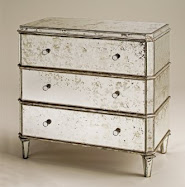
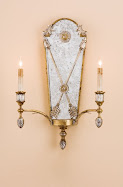
Here are some pictures from around my store....this should give you a sense of my 'flavor' for what kind of antiques I like. Or you could visit my Ruby Lane store to see more. I will keep updating all the English antiques that my vendors send and you can tell me which ones you think I should buy....this start with this post.


Wednesday, July 30, 2008

Polychrome Portable Statues

I think these Religious statues are amazing...the carving and painting skills alone are humbling. The first I found was a Saint George the Dragon Slayer from the 15th century. I spent 100+ hours researching it and my appreciation for these statues grew ten fold, not only as religious works of art but for what they endured over history. A dissertation written by a University of Maryland student, Tanya Jung in 2006, prooved to be one of the most enlightening and educating reads of the year! Stunning...and thanks Tanya...I did learn a lot.


Another site that was phenomenal for researching these statues in their respective museums was the Web Gallery of European Art.


A brief and incomplete sampling of these Statues would tell you they were first first carved in the late 1200's and early 1300's as Portable Religious figures...in Southern Germany, Italy, and Portugal before they found footing throughout Europe. They were often carved from well seasoned Limewood, also called Bass wood. Then they were painted with chalk - a gesso, to provide a smooth base layer for the paint (natural dyes) and gold and silver leaf. If you have not read A Perfect Red by Amy Butler, you really should. But I digress, many of the statues went from the Arabic style of a beautiful angelic carving to a more European use of fear (take a gander at Tanya's dissertation)...that is to make mankind humble of, and be afraid of God and Hell. I know this is a blunt take and there is much more, but I'll leave it here when the Protestant schism began and these statues were burned by the wagon load.